Concussion Return-to-Play Guidelines
Physical and Cognitive Considerations
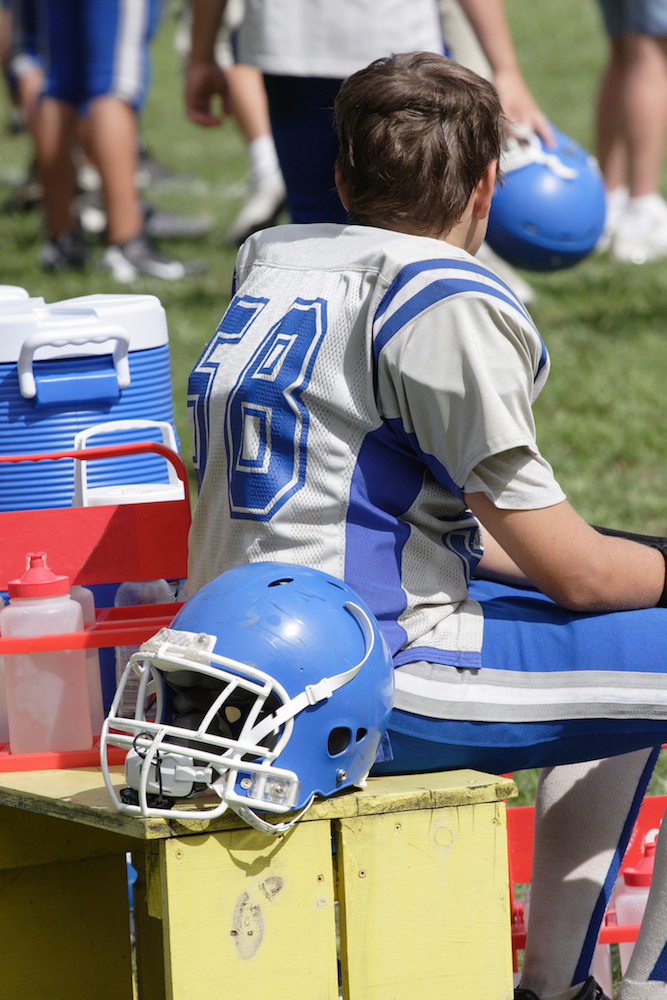 Never return to activity while symptomatic
It is very important to NEVER return to play (physical education class, sports, practice, or game) while still experiencing symptoms of a concussion. The same sentiment can be spoken for cognitive activities (school work, video games, text messaging, etc). Management of concussive injuries should not only focus on the physical demands but also the cognitive/mental exertion placed on the recovering brain. Incorporating both cognitive and physical rest into the concussion management protocol is vital to proper recovery. Remember, the presence and/or recurrence of post-concussion symptoms are a sure sign that you have NOT fully recovered from this injury.
Gradual Return to Physical Activity
While most athletes can return to play (physical activity) 20 days, some may take longer for their symptoms to subside and may have a more prolonged absence from sports. This may be especially true in the young athlete. Individuals with a concussion are now treated in an active manner as early as 24-48 hours after the concussion. The return to sport strategy includes treatment and rehabilitation strategies in the first three steps, as aerobic exercise has been found to be beneficial in symptom reduction and faster time to return to activity.
The return to sport (RTS) strategy is a medically supervised stepwise process which involves a gradual increase in activity intensity and duration over the course of several days to weeks. At each stage of the RTS protocol, specific objectives and restrictions are implemented to make sure a gradual progression is followed by the patient and also allows for monitoring of signs and symptoms. In some cases, your healthcare professional may also want to repeat objective concussion assessments following exertion. The athlete is allowed to continue to the next level/stage per the direction of their treating healthcare provider.
Typically, each phase should occur in a 24 hour period, allowing for the athlete to rest and the observation of the onset of any delayed post-activity signs and symptoms. However, stages 2 and 3 may take several days each depending on the patient's response to aerobic exercise. If any post-concussive symptoms do occur along the stepwise progression, the athlete should report these to their healthcare provider and the progression may be modified. The table below describes the return to play protocol as recommended by the Concussion in Sport Group (CISG) (Patricios, 2023)
Exercise Strategy
|
Activity at Each Step
|
Goal
|
|
1. Symptom-limited Activity |
Daily activities that do not exacerbate symptoms |
Gradual reintroduction of work and school |
|
2. Aerobic exercise 2A: Light (up to 55% maxHR) |
Stationary cycling or walking at slow to medium pace. |
Increase heart rate |
|
3. Individual sport-specific exercise |
Sport-specific training away from the team environment (eg, running, change of direction and/or individual training drills away from the team environment). No activities at risk of head impact. |
Add movement, change of direction |
|
4. Non-contact training drills |
Exercise to high intensity including more challenging training drills (eg, passing drills, multiplayer training) can integrate into a team environment. |
Resume usual intensity of exercise, coordination and increased thinking |
|
5. Full contact practice |
Participate in normal training activities |
Restore confidence and assess functional skills by coaching staff |
|
6. Return to Sport |
Normal game play | |
|
Steps 4–6 should begin after the resolution of any symptoms, abnormalities in cognitive function and any other clinical findings related to the current concussion, including with and after physical exertion. |
Source: Patricios, 2023
Gradual Return to Cognitive Activity
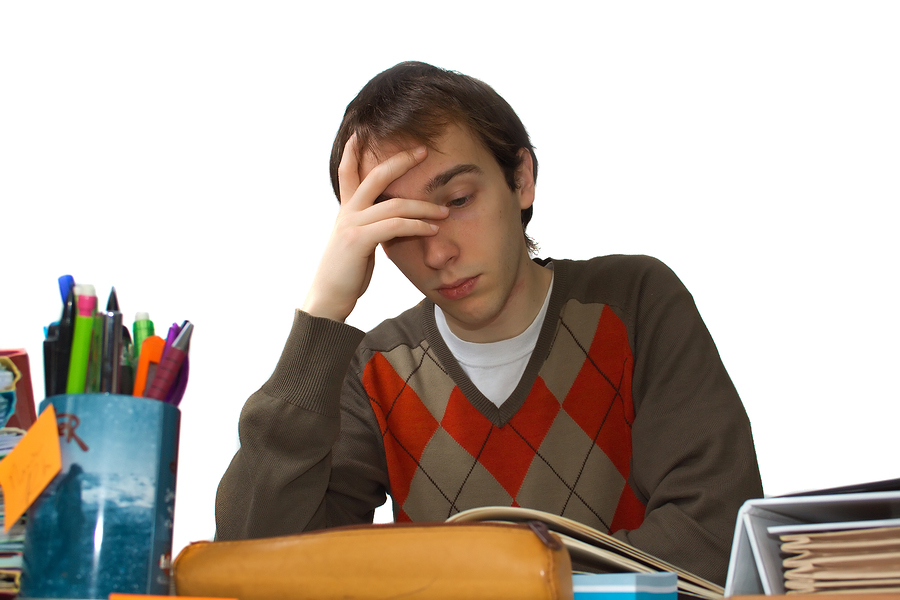
Equally as important as physical recovery is cognitive recovery. When an athlete sees a healthcare provider for treatment for a concussion, they may be prescribed academic adjustments prior to the athlete returning to the classroom (Valovich McLeod, 2015). Athletes sustaining a concussion who are reporting numerous symptoms such as headache, dizziness, fatigue, and inability to concentrate should be encouraged to limit scholastic activities and other cognitive stressors during the first 24-48 hours. Daily activities such as reading, watching television, text-messaging and playing video games may be allowed by your healthcare provider as long as they do not increase symptoms. After 48 hours, patients should aim to resume a normal school routine with the use of academic adjustments.
Patients may also benefit from scholastic modifications varying on a continuum from not attending school while symptomatic to attending school with academic accommodations (e.g. longer time to complete tests or assignments, rest periods). It would be wise to inform teacher(s), administrator(s), and the school nurse about your child’s head injury and symptoms. The School Version of the ACE Care Plan (CDC, 2015) provides prefect examples of how to accommodate adjustments for student’s recuperating from a concussive injury. There are informal and formal types of adjustments which should be prescribed by a physician (Valovich McLeod, 2015). Arbogast (2016) is a great reference article for cognitive rest recommendations following a concussion and Get Schooled On Concussions provides excellent information for schools and teachers.
Concussion Treatment
Concussions can be actively treated! Your medical provider may
discuss sleep hygiene, proper nutrition, stress reduction, and active
modes of treatment that may be incorporated into the management plan. Light exercise on stationary bikes, treadmills, and even just walking can be of benefit.
Active
treatments may include supervised exercise progressions, vestibular
therapy, oculomotor rehabilitation, or cognitive rehabilitation. Your
medical provider will determine whether treatments may be needed and
should direct you to appropriate referral sources.
References
Arbogast KB, Curry AE, Pfeiffer MR, et al. Point of Health Care Entry for Youth With Concussion Within a Large Pediatric Care Network. JAMA Pediatrics. 2016;170(7):e160294.
Centers for Disease Control and Prevention. Heads Up. https://www.cdc.gov/headsup/ Accessed 3/6/2017.
McAvoy K, Eagan-Johnson B, Halstead M. Return to learn: transitioning to school and through ascending levels of academic support for students following a concussion. NeuroRehabilitation. 2018 Jan 1;42(3):325-30.
Patricios JS, Schneider KJ, Dvorak J, Ahmed OH, Blauwet C, Cantu RC, Davis GA, Echemendia RJ, Makdissi M, McNamee M, Broglio S. Consensus statement on concussion in sport: the 6th International Conference on Concussion in Sport–Amsterdam, October 2022. British journal of sports medicine. 2023 Jun 1;57(11):695-711.
Valovich McLeod TC, Houston MN, Welch CE. A pediatric perspective on sport-related concussion. Kinesiology Reviews. 2015;4:131-155.