Concussion Prevention Strategies
How can concussions be prevented?
Unfortunately, concussions are not a completely preventable injury. However, concussion prevention can be done by educating those involved with sports, teaching proper sports techniques, and implementing the most current recommendations. Through education people may be better able to recognize the signs and symptoms involved with a concussion. Through early recognition and the use of concussion baseline testing, more serious injuries may be prevented which can be the result of returning to play too soon. Some recent studies have shown that rule changes and limiting contact in practice may result in fewer head impacts (Kerr, 2015; Eliason, 2023).
Where do I find recommendations?
There have been six International Conferences on Concussion in Sports. The Concussion in Sport Group consists of a panel of experts who discuss the current recommendations and changes that should be made on concussion. The last meeting was held in the fall of 2022 in Amsterdam where they revised the previous recommendations and released their most current recommendations. Along with the paper, the panel revised the Sport Concussion Assessment Tool (SCAT5) and came up with the SCAT6 (Patricios, 2023). The SCAT6 includes cognitive and physical tests that can be used by a trained healthcare provider in baseline assessments and in evaluating a concussion. The test gives you an objective score that can be used to judge return to play. This test should not be used alone to determine whether an can athlete is ready to return to sport (Echemendia, 2023).
The National Athletic Trainers' Association (NATA) has also released an updated bridge statement on the Management of Sport-Related Concussion. This paper also gives a number of recommendations for a sport related concussion. The NATA's recommendations range from defining and recognizing concussions, return to play decisions, assessment tools, when to refer to a physician who specializes in concussion management, special considerations for young athletes, when to disqualify an athlete, equipment issues, and also home care (Broglio, 2024). Both Concussion on Sport Conference Consensus paper and the NATA position statement are evidence-based or based on the most current research on concussion prevention.
What is a baseline assessment?
Baseline or preseason testing is when an athletic trainer or other medical professional administers concussion assessment tools on an athlete before the start of the season, when they are healthy. Concussion prevention baseline testing is done to get an objective score for each athlete at a healthy state. It is important to baseline test every athlete because scores on these tests vary from person to person. Since children and adolescents are continuously growing and learning, hence it is important to get a baseline number frequently. Baseline assessments are not required for all athletes, but can be helpful when time and resources allow (Broglio, 2024).
At A.T. Still University- Mesa, we preform baseline testing for athletes in any sport. Athletes as young as five can request a baseline assessment in the Interdisciplinary Research Lab. If the athlete is tested in the lab, the athlete will go through age-specific cognitive, balance, and vision testing.
Request an appointment for baseline testing for your child
Who should be educated?
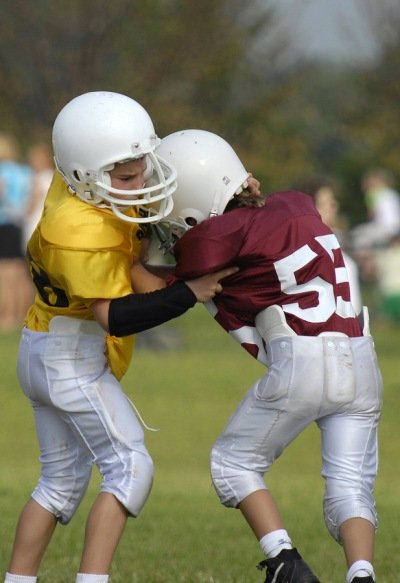 Using appropriate tackling techniques can help prevent injuries
Educating stakeholders involved in an athlete's care is a very important step in concussion prevention. Educating the parent(s), coaches, and athletes themselves will help insure the health and safety of the athlete. Knowing signs and symptoms and current recommendations will help everyone involved to recognize a concussion and to provide the athlete the best care. The knowledge on sport-related concussions is growing and changing constantly with new research, that is why it is important to stay up to date.
Not all medical providers have specific training in concussion management. If you school has an athletic trainer, they should be your first recourse as they have the knowledge and skills to manage concussion. Should you need to seek care by a medical provider because you do not have access to an athletic trainer, make sure that provider is well educated on sport-related concussions with recent recommendations. This will ensure that your athlete will return to sport in a safe manner. The Center for Disease Control offers education information on concussion management that includes a fact sheet, evaluation tools, and a care plan to help guide health care professional on the treatment of concussion who may not have specific training on management (CDC, 2015).
Being educated on appropriate techniques in sports is also an important part of concussion prevention. Spearing is a dangerous form of tackling that can lead to concussions and other serious injuries. The National Athletic Trainers' Association has released a position statement on Spearing. Spearing is when a tackler leads with their helmet in a head-down position. This produces an axial load through the head and down the spine which can cause serious injuries including concussion and cervical spine injuries (Broglio, 2024). Making sure that athletes are tackling with their head up is important to reduce injuries. Correct techniques should be taught at a young age to help insure they perform correctly as they get older.
Can sports equipment prevent concussions?
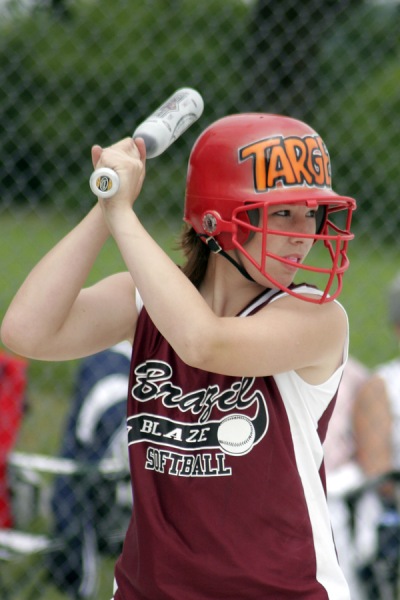
Sports equipment like helmets and mouth guards cannot prevent your child from suffering a concussion. Sports helmets are worn to prevent catastrophic injuries like skull fractures, while mouth guards are to be worn to prevent dental injuries. Neither was designed for concussion prevention (Broglio, 2024). It was previously thought that by wearing a mouth guard it would help with concussion prevention. This has been found to be untrue. Mouth guards should be used to prevent dental injuries but at this time there are no mouth guards that prevent an athlete from sustaining a concussion (Barbic, 2005).
Wearing the appropriate protective equipment and making sure that it is fitted properly however, can reduce your child’s risk. All football helmets should be certified by the National Operating Committee for Athletic Equipment (NOCSAE) every year to insure the equipment is still up to the appropriate standards.
Your child's equipment should be fit by a professional who knows the standards for the specific equipment they are wearing. Every brand has different recommendations for fitting and those should be followed to insure the safety of your child (Barbic, 2005).
References
Barbic D, Pater J, Brison RJ. Comparison of mouth guard
designs and concussion prevention in contact sports. Clin J Sport Med.
2005;15:294-298.
Broglio SP, Register-Mihalik JK, Guskiewicz KM, Leddy JJ, Merriman A, Valovich McLeod TC. National Athletic Trainers’ Association Bridge Statement: Management of Sport-Related Concussion. Journal of athletic training. 2024 Mar 1;59(3):225-42.
Centers for Disease Control and Prevention. Heads Up. https://www.cdc.gov/headsup/ Accessed 3/6/2017.
Eliason PH, Galarneau JM, Kolstad AT, Pankow MP, West SW, Bailey S, Miutz L, Black AM, Broglio SP, Davis GA, Hagel BE. Prevention strategies and modifiable risk factors for sport-related concussions and head impacts: a systematic review and meta-analysis. British journal of sports medicine. 2023 Jun 1;57(12):749-61.
Kerr ZY, Yeargin S, Valovich McLeod TC, et al. Comprehensive Coach Education and Practice Contact Restriction Guidelines Result in Lower Injury Rates in Youth American Football. Orthop J Sports Med. 2015;3(7):2325967115594578.
Patricios JS, Schneider KJ, Dvorak J, Ahmed OH, Blauwet C, Cantu RC, Davis GA, Echemendia RJ, Makdissi M, McNamee M, Broglio S. Consensus statement on concussion in sport: the 6th International Conference on Concussion in Sport–Amsterdam, October 2022. British journal of sports medicine. 2023 Jun 1;57(11):695-711.