Sport-Related Concussion Information
What is a concussion?
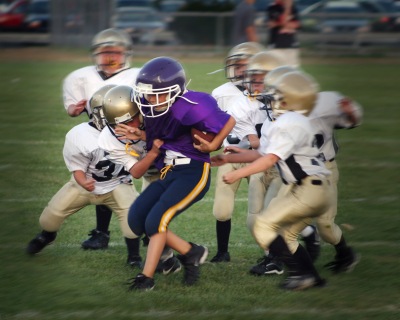
A concussion is an injury to the brain that affects the brain’s ability to function properly. The American Academy of Neurology defines concussion as a “trauma-induced alteration in mental status that may or may not involve a loss of consciousness. (Giza, 2013) The mechanism of a concussion is associated with a rapid acceleration and deceleration of the brain set in motion from a direct or indirect blow to with an ‘impulsive’ force transmitted to the brain (Broglio, 2024; Patricios, 2023). Concussion results in the onset of brief impairment of neurological function that resolves spontaneously. However, in some cases, symptoms may evolve within a few minutes to hours, whereas some last for days (Patricios, 2023). Concussion symptoms cause functional disturbance rather than a structural injury therefore, no abnormality is seen on standard structural neuroimaging studies provided in the emergency room (Patricios, 2023). Diagnosis is identified through reported symptoms
There are many slang terms used referring to a head injury. Some common slang terms are "dings" or "getting your bell rung". When these terms are used, the injury is often times thought to be less severe when in reality the athlete has still suffered a concussion, which should be taken seriously. One common myth that is associated with concussions is that the athletes must have lost consciousness or "blacked out" to have suffered from a concussion. The athlete does not have to lose consciousness to have a concussion. Another common myth includes that an individual can only sustain a concussion by direct contact to the head. A concussion can occur from impact to the body resulting in the force transmitting to the head, causing concussion. There are many signs and symptoms that could indicate someone has suffered from a concussion.
How many people get concussions?
It is estimated that between 1.2-1.6 million concussions occur annually within the United States (Bryan, 2016). Concussions are sustained by both male and female student-athletes and are most commonly observed in contact sports, however, female student-athletes have been shown to have higher incidence rates than their male counterparts for similar activities (Gessel, 2007). Some of the highest rates of concussion are reported from: bicycling, football, playground activities, basketball, and soccer (CDC, 2011). Concussions are common in contact and collision sports at every level, it accounts for 15% of all high school sports related injuries (Meehan, 2011).
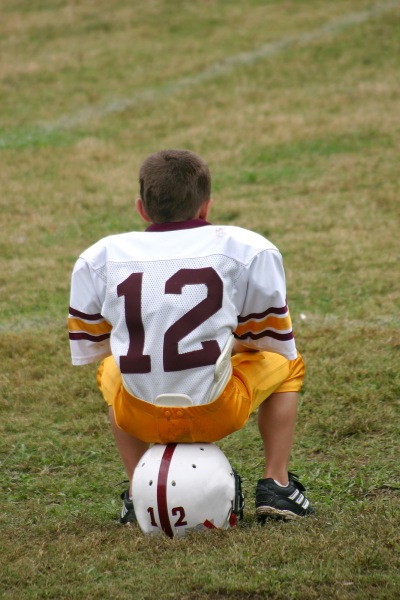
Are concussions in children different?
Children are much different from adults in respect to maturity and how their body responds to traumatic events. A child’s maturity rate will greatly affect how they respond to a sport-related concussion. Children mature differently in different categories of maturation, these include physical growth, motor development, cognitive, visual-motor, auditory, and perceptual motor (Patel, 2002).
These different growth rates can cause an imbalance in competition which can lead to serious injuries (Patel, 2002). The rate at which a child develops will greatly influence their response to suffering from a concussion. The difference between youth and adult concussions requires different management.
What signs and symptoms should I look for?
Athletes sustaining a concussion may not always exhibit obvious signs and symptoms. Each athlete may suffer unique behavioral, neurological, emotional, and physical abnormalities. Some of the most common signs and symptoms include headache, dizziness, confusion, and memory problems. Headache is often the most common symptom demonstrated by a concussed athlete, occurring in 40.1% of concussions (Gessel, 2007). It was previously believed that loss of consciousness (LOC) was needed in order for a concussion to occur. However, LOC is rarely associated with a sport-related concussion. But, if LOC does occur, immediate medical assistance is required. Listed in the tables below are signs and symptoms that coaches, parents, and athletes should be aware of immediately after someone sustains a concussion.
If you think that your child has sustained a sport-related concussion they should be removed from activity immediately. If your child is removed because of a suspected concussion they should not be allowed to return on the same day. They should be seen by a medical professional who has knowledge about sport-related concussions. Your child should be taken to the emergency room if they are demonstrating any "Red Flag" signs and symptoms. Some of these include loss of consciousness, if their brain function is deteriorating, if they begin having difficulty breathing, mental status changes such as lethargy, difficulty maintaining arousal, irritability, or confusion, and others that are listed below (Broglio, 2024). Other signs that should be considered with a concussion diagnosis is the number of concussions that they have had in the past, how long it took for them to recover from previous incidents, if they have had a LOC and the duration of it, and if they are suffering from amnesia (Broglio, 2024).
Although your child may sustain a concussion is it important that the child not be given nonsteroidal anti-inflammatory drugs (NSAIDs) such as aspirin, ibuprofen, and naproxen in the event that your child has a more serious injury. If your child has a headache, give them acetaminophen such as Tylenol, Panadol, or Feverall.
Symptoms Reported by Athletes
|
Headaches Vomiting Neck Pain Nausea Dizziness Vision Problems Sensitivity to Noise/Light Memory Problems |
Poor Balance or Coordination Feeling "in a fog" "Seeing Stars" Drowsiness Ringing in Ears Feeling "dinged" Nervousness Poor Concentration |
Source: Broglio, 2014
Signs Observed by Coaches
|
Confusion Dizziness Vomiting Drowsiness Personality Changes Irritability Nervousness |
Loss of Consciousness Easily Distracted Poor Concentration Memory Problems Poor Balance or Coordination |
Source: Broglio, 2014
Signs Observed by Parents
|
Severity of Headache Level of Consciousness Dizziness Easily Distracted Vomiting Drowsiness Poor Concentration Hyposmia |
Personality Change Memory Problems Irritability Nervousness Poor Balance or Coordination Nausea Sensitivity to Noise/Light |
Source: Broglio, 2014
Red Flag for Immediate Referral to Emergency Room
|
Brain Function Deteriorating Decreasing Level of Consciousness Mental Status Change Seizures |
Loss of Consciousness Difficulty Breathing Pupils are Unequal |
Source: Broglio, 2014
References
Broglio SP, Register-Mihalik JK, Guskiewicz KM, Leddy JJ, Merriman A, Valovich McLeod TC. National Athletic Trainers’ Association Bridge Statement: Management of Sport-Related Concussion. Journal of Athletic Training. 2024 Mar 1;59(3):225-42.
Bryan MA, Rowhani-Rahbar A, Comstock RD, Rivara F. Sports-and recreation-related concussions in US youth. Pediatrics. 2016 Jul 1;138(1).
Centers for Disease Control and Prevention. Heads Up. https://www.cdc.gov/headsup/ Accessed 3/6/2017.
Gessell LM, Fields SK, Collins CL, Dick RW, Comstock RD. Concussions among united states high school and collegiate athletes. Journal of Athletic Training. 2007;42:495-503.
Giza CC, Kutcher JS, Ashwal S, Barth J, Getchius TS, Gioia GA, Gronseth GS, Guskiewicz K, Mandel S, Manley G, and McKeag DB "Summary of evidence-based guideline update: Evaluation and management of concussion in sports Report of the Guideline Development Subcommittee of the American Academy of Neurology." Neurology. 2013;80(24): 2250-2257.
Meehan WP, Taylor AM, Proctor M. The pediatric athlete: younger athletes with sport-related concussion. Clinics in Sports Medicine. 2011; 31;30(1):133-44.
Patel DR, Pratt HD, Greydanus DE. Pediatric neurodevelopment and sports participation: when are children ready to play sports? Pediatric Clinics of North America. 2002;49:505-531.
Patricios JS, Schneider KJ, Dvorak J, Ahmed OH, Blauwet C, Cantu RC, Davis GA, Echemendia RJ, Makdissi M, McNamee M, Broglio S. Consensus statement on concussion in sport: the 6th International Conference on Concussion in Sport–Amsterdam, October 2022. British journal of sports medicine. 2023 Jun 1;57(11):695-711.